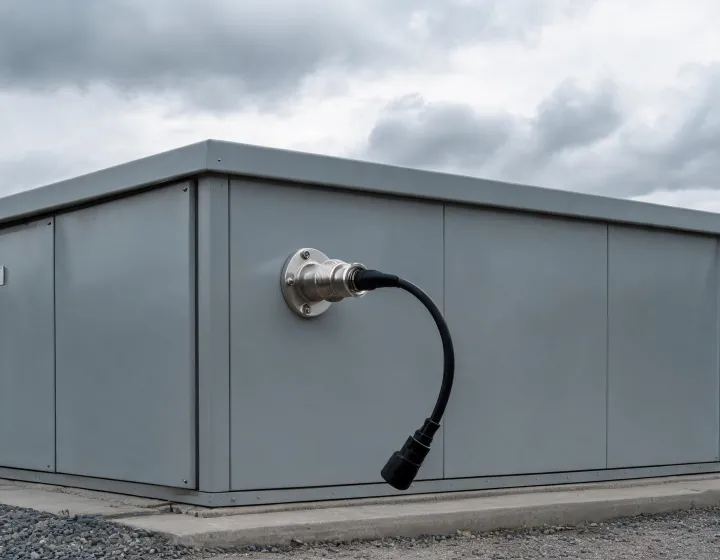
Shelter wall with an N-type bulkhead and a weather cap on a jumper

Site use, then the purchase cells

n type rf connector manufacturers

Turn a tower jumper, a shelter panel, or a lab port into a written buy. LinkScope Sourcing 35 asks n type rf connector manufacturers for quotations against that note. The desk does not install jumpers and it does not stock bulkheads.

A Type N body is usually a 50 ohm threaded interface. IEC 61169-16 can be cited when you want the plant to speak to that family. The citation does not prove the gasket, the frequency range, or the VSWR of the lot in the reply. Many standard outlines discuss usefulness through about 11 GHz, and some precision outlines discuss about 18 GHz. The offered drawing sets the number.

See inquiry labels

Application cards, not a second catalog

Macro jumper

Record both ends. One end may be N and the other may be a smaller series at the radio. Length, jacket, and whether PIM must be measured are separate from the connector body. IEC 62037 is a measurement-method question source for passive intermodulation. A request such as a two-tone check near −150 dBc still needs the plant method, the tones, and the exact assembly. This page does not publish a PIM result.

Shelter bulkhead

Panel thickness, flat-to-flat size, jam nut, and gasket decide the quote. Ingress protection such as IP67 is meaningful when the drawing shows the seal and the mated condition. A bare coupling nut in a photo is not an environmental rating. Ask who supplies the weather cap.

Lab port

A bench port may care more about connector mating cycles and return loss than about a weather seal. State the frequency range and whether the port sees a calibration kit. A 500-cycle callout without an IEC 60512 sequence is a question, not a completed test.

Thread detail matters on the bulkhead. The common coupling thread buyers write down is 5/8-24 UNEF, then they still confirm it on the drawing. Some installer notes mention a coupling torque near 1.36 N·m. Copy the torque from the document that ships with the part you select. Power rating falls as frequency rises, so a watt figure without a frequency is not comparable.

Open choices before the site release

Threaded N versus push-on SMP

A threaded N body can suit a jumper that technicians mate by hand at a panel, with a gasket and a stated torque. A push-on SMP body can suit a dense radio card where a shroud and detent replace the nut. The outdoor seal and the board launch are different buys. Do not let one piece price cover both. Gain, polarization, and radiation pattern belong on the antenna line, not on the connector nut, unless the buy is the antenna itself.

Named interface versus a compatible body

A body built to the named interface may track the mating part you already installed. A compatible body may be quoted when thread, pin, and plating are checked on that model. Ask for deviations in writing. This is a sourcing choice, not a ranking of plants.

New hardware versus refurbished hardware

Unused bodies should carry a current drawing and a plating note, such as gold thickness over nickel. Refurbished or surplus bodies need wear, replating, and lot trace before they sit in the same column. A lower piece figure on a worn coupling nut is not the same offer.

Documents, stages, and site limits

Ask which file arrives with the quote, which file arrives before shipment, and which check happens at incoming. Name the US destination and any site limit you already know, such as panel thickness or a weather window. The N body is selected by interface, plating, and the panel it passes through. The spec handoff is the shorter worksheet when the body is custom.

Request factory quotes for the site brief

Write the N-type gender, panel or cable end, frequency range, impedance, quantity, destination, and timing. Add the gasket and the VSWR limit if they are already decided. Budget currency and a per-piece or whole-order basis stay optional. Supplier preference is not a verified rating. The long note can also go through the contact page, and the attribute list sits in the procurement brief.